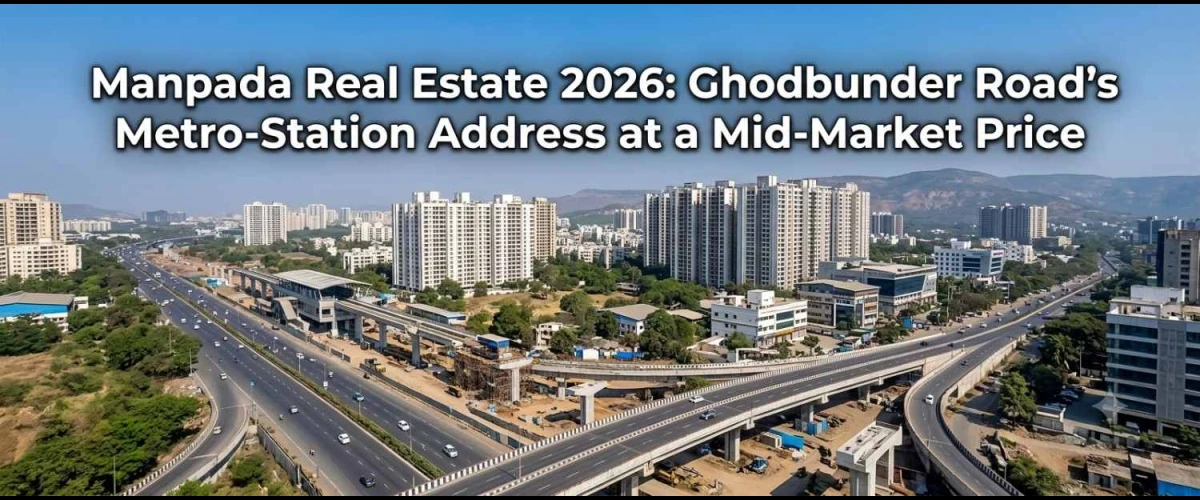
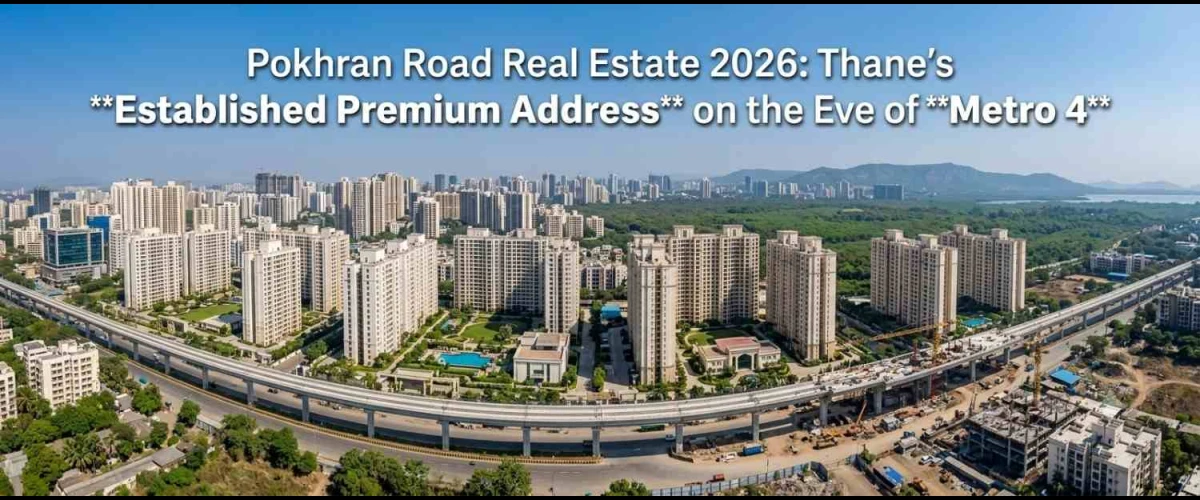
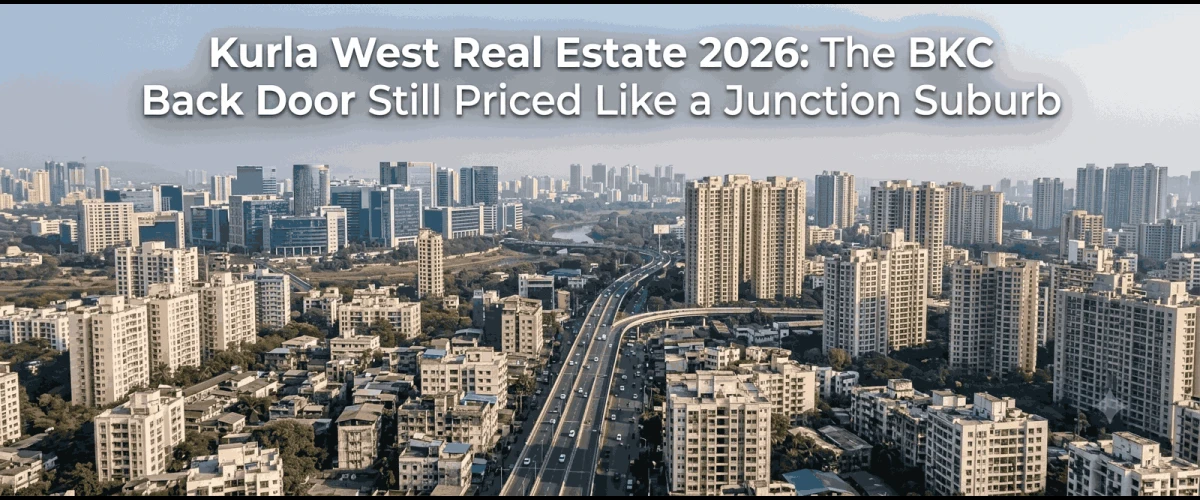
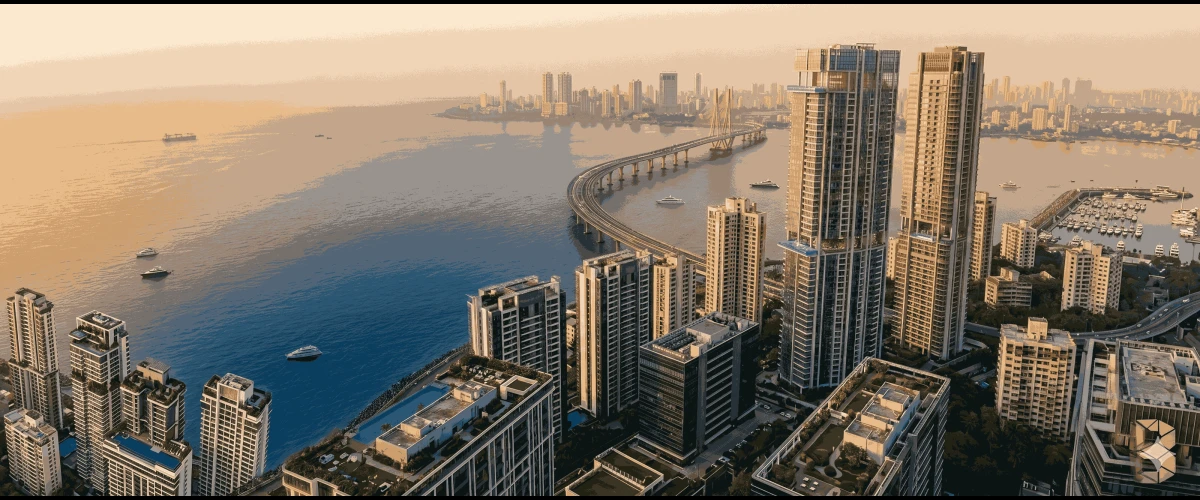
Why Luxury is Outperforming in 2026
Three structural factors are driving outperformance in Mumbai's luxury segment:
Supply constraint: Mumbai is one of the most land-scarce megacities on earth. Coastal regulation zones, airport height restrictions, and the exhaustion of development land in premium micromarkets mean that genuine luxury supply is severely limited. The FSI (Floor Space Index) reforms introduced through the DCR 2034 Development Plan do allow for taller towers, but the pipeline takes years to materialise.
Wealth concentration: India's high-net-worth population is growing at approximately 11–13% per annum. A growing pool of HNIs in India are calibrating their real estate portfolios toward Mumbai premium assets, treating them as analogous to art or jewellery — illiquid stores of cultural and financial capital.
Global capital flows: NRIs, particularly from the Gulf, UK, US, and Singapore, are allocating a growing share of their real estate exposure to India's luxury segment. The FEMA framework allows NRIs to purchase residential property freely, and the INR-denominated pricing represents a currency-adjusted discount relative to comparable global cities.
The Luxury Property Purchase Process in Mumbai
Buying a luxury apartment in Mumbai follows the same legal framework as any other residential purchase but comes with additional layers of due diligence. Here is a step-by-step walkthrough:
Step 1: Developer and Project Verification
• Verify MahaRERA registration at maharera.maharashtra.gov.in
• Check the developer's track record: previous delivery timelines, RERA complaint history
• Confirm Occupation Certificate (OC) status for ready-to-move properties
• For under-construction: verify construction progress against registered milestones
Step 2: Title and Legal Due Diligence
• Commission an independent title search from a qualified Mumbai property lawyer
• Confirm title chain is clear of encumbrances for a minimum of 30 years
• For resale: verify no outstanding loans, tax dues, or society dues on the property
• Check building plan approval from BMC (Brihanmumbai Municipal Corporation)
Step 3: Agreement and Registration
• Sign and register the Agreement for Sale at the Sub-Registrar's office
• Stamp duty in Maharashtra: 5% for men, 4% for women (in applicable cases)
• Registration charge: 1% of property value (capped at ₹30,000)
• Obtain your copy of the registered Agreement — this is your primary legal protection
Step 4: Financing (if applicable)
• Most ultra-luxury buyers (₹20 crore+) transact without home loans
• For ₹5–₹20 crore range, banks including HDFC, SBI, ICICI, and Kotak offer high-value home loan products
• LTV ratio is capped at 75% of property value for loans above ₹75 lakh
• Processing time for high-value loans: 3–6 weeks
Step 5: Society Registration and Handover
• Confirm the developer has registered the Cooperative Housing Society or AOA (Association of Owners)
• Ensure share certificates are issued at possession
• Document snag list at handover: a professional snagging inspection service is recommended for ₹10 crore+ apartments
• Confirm all utility connections, OC, and Completion Certificate are in place before final payment





 +91
+91